Upfront Payment Requests: What Legitimate Locksmiths Actually Do
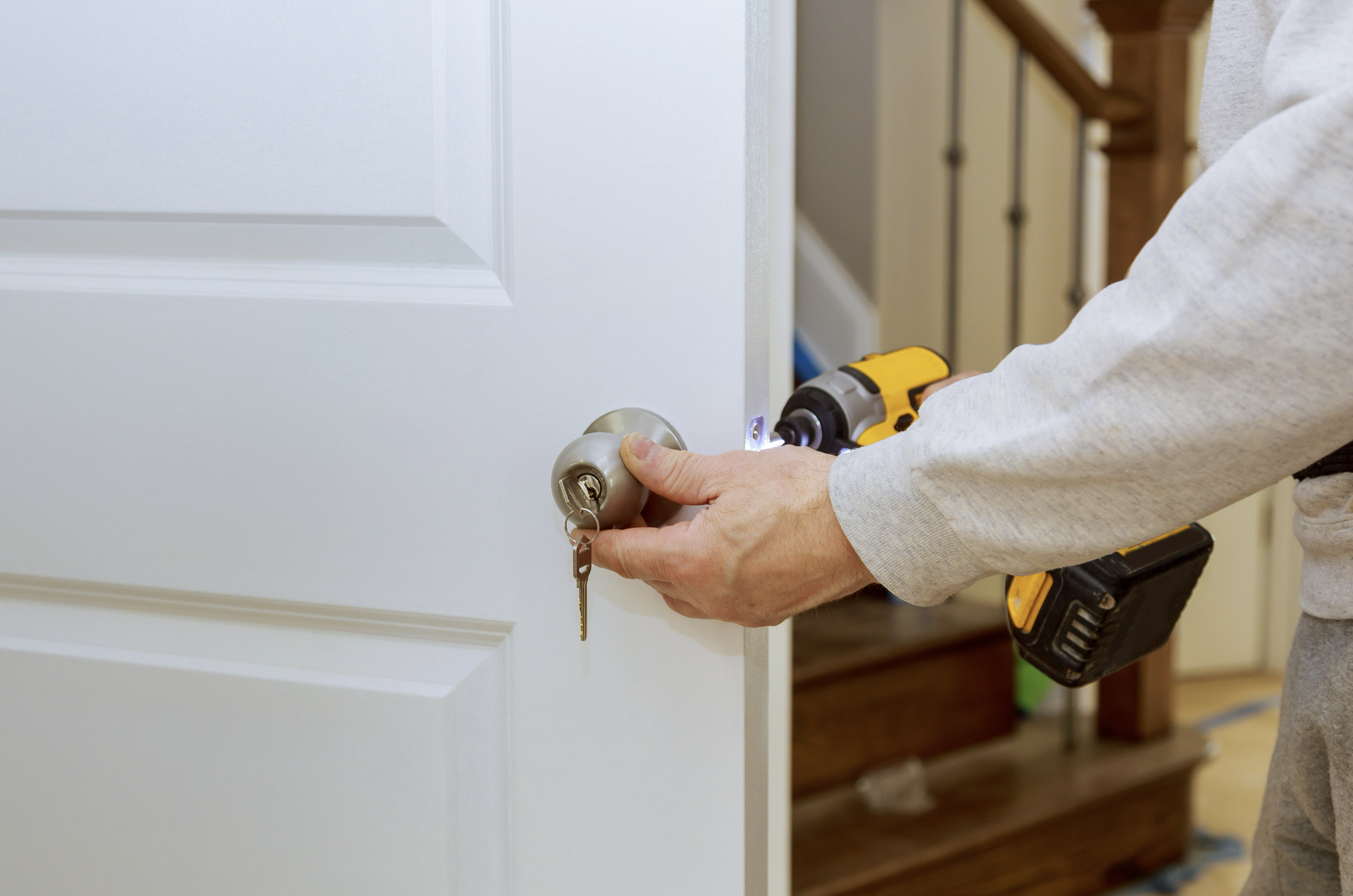
Be Cautious of Upfront Payment Requests
One of the biggest red flags in the locksmith industry is being asked to pay in full before any service is performed.
Most legitimate, local locksmiths do not require payment prior to arriving and completing the work. Payment is typically collected after the service is finished and the customer is satisfied.
There are large, national key service brands that advertise heavily online and appear “local” in search results. In many cases, these companies operate through centralized call centers that dispatch subcontractors. The call center may collect payment upfront, sometimes with a cancellation fee, and then attempt to locate a local technician to perform the job at a reduced rate.
This model can create several issues:
Inflated pricing
Limited accountability
Confusion about who is actually performing the work
Difficulty resolving disputes
We regularly speak with customers who believed they were calling a local locksmith, only to discover they had reached a national dispatch service instead.
To be clear, there are situations where a card on file is reasonable — for example:
Large special-order inventory purchases in the thousands of dollars
Long-distance travel (such as several hours one way)
But for standard residential or automotive lockout service, prepayment is typically unnecessary.
If a company insists on full payment upfront for a basic lockout, especially with a cancellation fee attached, it’s worth pausing and verifying exactly who you’re dealing with.
A reputable locksmith should be transparent about:
Their physical service area
Their pricing structure
Who will be performing the work
When payment is due
When you’re already locked out or dealing with a stressful situation, the last thing you need is uncertainty about the service itself.
Doing a quick check before agreeing to service can save you time, money, and frustration.